1. What are Beowulf, The Tyger and She Walks in Beauty?
Answer: D — Poems
Poems.
16 questionswith answers
Literature, architecture, art, theatre, music and film all appear here, usually through notable figures and landmark works. Expect recognition questions rather than interpretation.
The UK has a rich and diverse cultural heritage that encompasses literature, music, theatre, art, architecture, film, and other forms of artistic expression. The arts and culture sector plays a significant role in shaping the national identity, promoting creativity, and contributing to the economy. The UK is known for its world-renowned cultural institutions, vibrant contemporary arts scene, and its influence on global culture. The government, along with numerous organizations and institutions, actively supports the arts to ensure they remain accessible to everyone and continue to thrive.
The UK has a long and distinguished tradition of literature and poetry, with many celebrated writers and poets whose works have had a lasting impact worldwide. English literature is often considered one of the greatest literary traditions, producing famous authors such as William Shakespeare, Jane Austen, Charles Dickens, George Orwell, and Virginia Woolf. Their works, ranging from plays and novels to essays and poetry, have explored themes of human nature, society, and politics and continue to be studied and enjoyed globally.
In addition to historical figures, contemporary British writers, such as J.K. Rowling, Salman Rushdie, Zadie Smith, and Kazuo Ishiguro, continue to influence global literature. Poetry also remains an essential aspect of British culture, with notable poets such as William Wordsworth, T.S. Eliot, Ted Hughes, and Carol Ann Duffy. Literature festivals, such as the Hay Festival in Wales, celebrate literary achievements and encourage public engagement with books and writing.
Theatre and performing arts are central to the UK’s cultural landscape. London’s West End is one of the world’s most famous theatre districts, attracting millions of visitors each year to watch plays, musicals, and other performances. The West End, along with regional theatres across the country, offers a mix of classic productions, contemporary works, and experimental theatre. The Royal Shakespeare Company, based in Stratford-upon-Avon, and the National Theatre in London are among the leading institutions promoting the performing arts in the UK.
Beyond traditional theatre, the UK is known for its pantomime performances, especially during the Christmas season. Pantomime is a unique form of musical comedy that combines slapstick, audience participation, and fairy tales, appealing to both children and adults. The UK also has a strong tradition of ballet and opera, with prestigious companies such as the Royal Ballet and the English National Opera.
The UK has a rich heritage in the visual arts, spanning painting, sculpture, photography, and contemporary art forms. Renowned artists like J.M.W. Turner, John Constable, David Hockney, Lucian Freud, and Damien Hirst have significantly influenced both British and global art. Many British art institutions, including the National Gallery, the Tate Modern, and the Victoria and Albert Museum, house extensive collections of classical and contemporary works, attracting art lovers from around the world.
Contemporary British art is known for its innovation and diversity. The Turner Prize, established in 1984, is one of the most prestigious awards in the visual arts, given annually to an artist under 50. It has played a vital role in promoting and celebrating new artistic talent and pushing the boundaries of contemporary art in the UK.
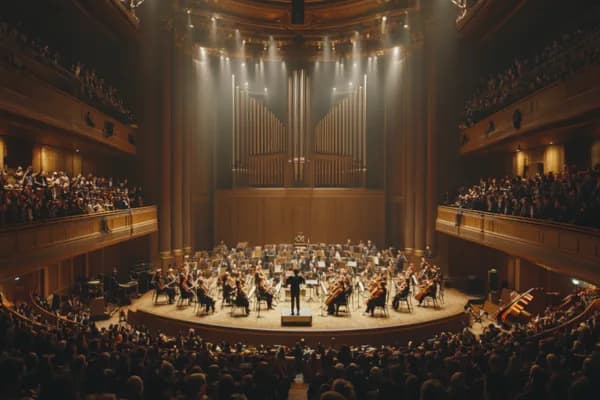
The UK has a vibrant and influential music scene, with a rich history in classical, folk, jazz, rock, pop, and contemporary music. British composers like Henry Purcell, Edward Elgar, Benjamin Britten, and Ralph Vaughan Williams have made significant contributions to classical music. The UK is also known for its world-class orchestras, such as the London Symphony Orchestra and the Royal Philharmonic Orchestra, which perform globally.
In the 20th and 21st centuries, the UK became a global center for popular music, producing iconic bands and artists like The Beatles, The Rolling Stones, David Bowie, Elton John, Queen, Adele, and Ed Sheeran. British music festivals, such as Glastonbury, attract hundreds of thousands of music fans every year, showcasing a diverse range of genres and performers.
The UK is also home to a dynamic folk music tradition, with festivals and events celebrating both traditional and contemporary folk artists. Jazz, electronic, and world music also thrive in the UK, contributing to its status as a hub for music and creative expression.
The UK has a strong tradition in film and television, with a reputation for high-quality and innovative productions. British cinema has produced critically acclaimed films such as Lawrence of Arabia, Chariots of Fire, The King's Speech, and the Harry Potter series. The UK film industry continues to thrive with support from organizations like the British Film Institute (BFI), which promotes British filmmaking, talent, and film heritage.
British television is known for its creative storytelling, compelling dramas, and high production standards. The BBC (British Broadcasting Corporation) is a world-renowned public broadcaster, known for producing quality content in drama, news, documentaries, and entertainment. Shows like Doctor Who, Downton Abbey, Sherlock, and The Crown have gained international acclaim, showcasing British culture and creativity to global audiences.
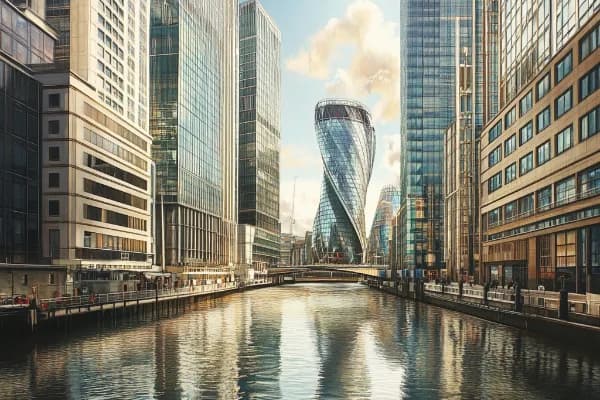
The UK’s architecture reflects its diverse history, from medieval castles and cathedrals to modern skyscrapers and contemporary designs. The UK is home to iconic landmarks such as Westminster Abbey, St. Paul’s Cathedral, the Tower of London, and Buckingham Palace. The country has also produced renowned architects, such as Sir Christopher Wren, Sir Giles Gilbert Scott, and Norman Foster, whose works have shaped both British and global architectural landscapes.
Contemporary British architecture blends historical preservation with modern innovation. Projects like the Shard in London and the Eden Project in Cornwall highlight the UK’s architectural diversity and creativity. The UK is also at the forefront of sustainable and environmentally friendly architectural practices, integrating green building techniques in urban development.
The UK government and various organizations provide substantial support for the arts and culture sector to ensure it remains accessible and continues to flourish. Public funding through bodies like Arts Council England, Creative Scotland, Arts Council of Wales, and the Arts Council of Northern Ireland helps support artists, museums, theatres, galleries, and cultural institutions.
Local authorities, private sponsors, and charitable organizations also play a crucial role in promoting and supporting arts and culture. National Lottery funding has significantly contributed to developing cultural infrastructure, including the restoration of historic sites and the promotion of new artistic initiatives.
Every question below is shown with the correct answer marked. The real test mixes topics together, so once this one feels comfortable try a full practice test.
Answer: D — Poems
Poems.
Answer: D — Sense and Sensibility
Jane Austen (1775-1817) was an English novelist. Her books include Pride and Prejudice and Sense and Sensibility. Her novels are concerned with marriage and family relationships. Many have been made into television programmes or films.
Answer: B — TRUE
In the 19th century, the medieval 'gothic' style became popular again. As cities expanded, many great public buildings were built in this style. The Houses of Parliament and St Pancras Station were built at this time, as were the town halls in cities such as Manchester and Sheffield.
Answer: B — Theatreland
Answer: B — The Laurence Olivier Awards
The Laurence Olivier Awards take place annually at different venues in London. There are a variety of categories, including best director, best actor and best actress.
Answer: A — Andrew Lloyd Webber
More recently, Andrew Lloyd Webber has written the music for shows which have been popular throughout the world, including, in collaboration with Tim Rice, Jesus Christ Superstar and Evita, and also Cats and The Phantom of the Opera.
Answer: A — Chelsea
The annual Chelsea Flower Show showcases garden design from Britain and around the world.
Answer: D — The Lord of the Rings
Answer: D — Sir Kingsley Arnis
Sir Kingsley Amis (1922-95) was an English novelist and poet. He wrote more than 20 novels. The most well known is Lucky Jim.
Answer: A — True
Poetry was very popular in the 19th century, with poets such as William Blake, John Keats, Lord Byron, Percy Shelley, Alfred Lord Tennyson, and Robert and Elizabeth Browning.
Answer: D — Sir Arthur Conan Doyle
Answer: B — TRUE
Thomas Hardy (1840-1928) was an author and poet. His best-known novels focus on rural society and include Far from the Madding Crowd and Jude the Obscure.
Answer: D — William Wordsworth
Answer: C — Joseph Turner
Joseph Turner (1775-1851) was an influential landscape painter in a modern style. He is considered the artist who raised the profile of landscape painting.
Answer: C — A war memorial
Answer: C — A poem of fourteen lines with a particular rhyme scheme
Shakespeare wrote many sonnets (poems which must be 14 lines long) and some longer poems.