Menu
Places of interest — Life in the UK Test revision topic

Modern UK Society

Places of interest

13 questionswith answers

Landmarks, national parks, historic buildings and visitor attractions across all four nations. These are recognition questions: knowing where something is usually settles the answer.

Places of interest: revision notes

Places of Interest

The UK boasts a rich array of places of interest, reflecting its diverse cultural, historical, and natural heritage. These sites offer insight into the country's past, present, and its role on the global stage. They range from historic landmarks and architectural marvels to natural wonders and vibrant cultural hubs. This summary highlights some key types of places of interest across the UK.

1. Historic Landmarks

The UK is home to many historic landmarks that showcase its long and varied history:

  • Stonehenge: Located in Wiltshire, England, Stonehenge is one of the most famous prehistoric monuments in the world. Its origins and purpose remain a mystery, making it a significant archaeological and cultural site.
  • The Tower of London: A historic castle on the banks of the River Thames in London, the Tower of London has served various roles, including as a royal palace, prison, and treasury. It is also home to the Crown Jewels.
  • Edinburgh Castle: Dominating the skyline of Scotland's capital, Edinburgh Castle is a historic fortress that has played a key role in Scotland's history. It offers panoramic views of the city and houses the Crown Jewels of Scotland.
  • Hadrian’s Wall: Stretching across northern England, Hadrian’s Wall was built by the Romans to defend the northern boundary of the Roman Empire. It is now a UNESCO World Heritage Site and a popular destination for walkers.

2. Architectural Marvels

The UK features several architectural marvels that reflect its artistic and engineering achievements:

  • Westminster Abbey: An iconic church located in London, Westminster Abbey is known for its Gothic architecture and as the site of many royal ceremonies, including coronations and burials.
  • Buckingham Palace: The official residence of the British monarch in London, Buckingham Palace is renowned for its grand architecture and the Changing of the Guard ceremony.
  • St Paul’s Cathedral: Also in London, St Paul’s Cathedral is celebrated for its magnificent dome and architectural design by Sir Christopher Wren. It has been a site of many significant events, including the funerals of Sir Winston Churchill and Lady Diana Spencer.
  • The British Museum: Housing an extensive collection of art and artifacts from around the world, the British Museum in London is a testament to historical and cultural preservation.

3. Natural Wonders

The UK's natural wonders offer breathtaking landscapes and opportunities for outdoor exploration:

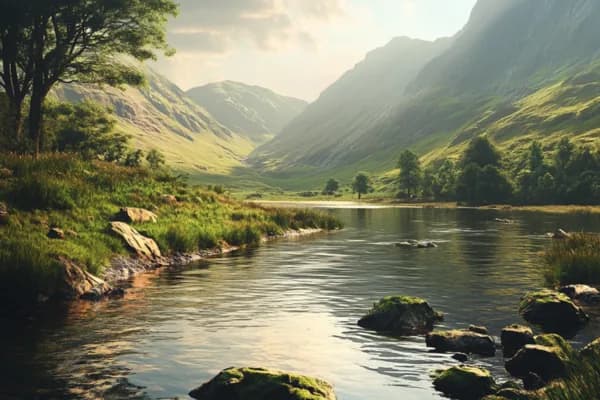
  • The Lake District: Located in northwest England, the Lake District is known for its stunning lakes, mountains, and forests. It is a popular destination for hiking, boating, and enjoying picturesque scenery.
  • Snowdonia National Park: In Wales, Snowdonia National Park is home to the highest mountain in Wales, Mount Snowdon. It offers a range of outdoor activities, including climbing, hiking, and exploring its rugged landscapes.
  • The Giant’s Causeway: A natural wonder in Northern Ireland, the Giant’s Causeway features unique basalt columns formed by volcanic activity. It is a UNESCO World Heritage Site and a popular tourist attraction.
  • The White Cliffs of Dover: These iconic cliffs offer striking views of the English Channel and are a symbol of Britain’s natural heritage and resilience.

4. Cultural Hubs

The UK’s major cultural hubs are vibrant cities with rich cultural and artistic offerings:

  • London: The capital city is a cultural epicenter with numerous museums, galleries, theaters, and landmarks. Highlights include the Tate Modern, the National Gallery, and the West End theater district.
  • Edinburgh: Known for its festivals, including the Edinburgh Festival Fringe, the city also offers historical sites such as the Royal Mile and the National Museum of Scotland.
  • Manchester: A city renowned for its music scene and cultural diversity, Manchester is home to the Manchester Art Gallery and the Museum of Science and Industry.
  • Glasgow: Glasgow boasts a thriving arts scene with venues such as the Kelvingrove Art Gallery and Museum, the Glasgow Science Centre, and the vibrant music and nightlife scene.

5. Cultural and Literary Sites

The UK has several cultural and literary sites associated with famous figures and historical events:

  • Stratford-upon-Avon: The birthplace of William Shakespeare, Stratford-upon-Avon is home to Shakespeare’s Birthplace and the Royal Shakespeare Theatre, celebrating the life and works of the playwright.
  • Bath: Known for its Georgian architecture and Roman baths, Bath is a UNESCO World Heritage Site and offers insights into Roman history and Georgian culture.
  • The Brontë Parsonage Museum: Located in Haworth, Yorkshire, this museum is dedicated to the Brontë sisters and their literary works, set in the surroundings that inspired their novels.

6. Modern Attractions

In addition to historic and natural sites, the UK features modern attractions that reflect contemporary culture and innovation:

  • The London Eye: A giant Ferris wheel on the South Bank of the River Thames, the London Eye offers panoramic views of the city and is a popular tourist attraction.
  • The O2 Arena: A major entertainment venue in London, the O2 Arena hosts concerts, sports events, and exhibitions.
  • The Science Museum: Located in London, the Science Museum offers interactive exhibits and displays on scientific and technological advancements.

13 practice questions on Places of interest

Every question below is shown with the correct answer marked. The real test mixes topics together, so once this one feels comfortable try a full practice test.

2. Which of the following UK landmarks is in Northern Ireland?

  1. Big Ben
  2. Snowdonia
  3. The Eden Project
  4. The Giants Causeway

Answer: D — The Giants Causeway

Located on the north-east coast of Northern Ireland, the Giant's Causeway is a land formation of columns made from volcanic lava. It was formed about 50 million years ago. There are many legends about the Causeway and how it was formed.

5. The Elizabeth Tower is part of which building in London?

  1. Buckingham Palace
  2. Houses of parliament
  3. Mansion House
  4. St Pauls Cathedral

Answer: B — Houses of parliament

Big Ben is the nickname for the great bell of the clock at the Houses of Parliament in London. Many people call the clock Big Ben as well. The clock is over 150 years old and is a popular tourist attraction. The clock tower is named 'Elizabeth Tower' in honour of Queen Elizabeth II's Diamond Jubilee in 2012.

13. Which of following are correct?

  1. The National Trust is a charity that works to preserve important building in the UK.
  2. The National Trust is a government-run organisation that provides funding for charities.

Answer: A — The National Trust is a charity that works to preserve important building in the UK.

Many parts of the countryside and places of interest are kept open by the National Trust in England, Wales and Northern Ireland and the National Trust for Scotland. Both are charities that work to preserve important buildings, coastline and countryside in the UK.


Take today’s Daily QuizBrowse all topics