Customs and Traditions
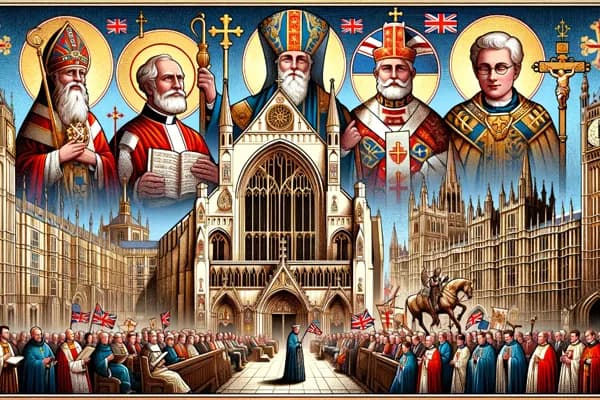
The UK is a nation rich in customs and traditions, shaped by its long history and diverse cultural influences. These customs range from national holidays and festivals to local celebrations and rituals that reflect the unique identities of England, Scotland, Wales, and Northern Ireland. Many of these traditions are well-loved by residents and attract tourists from around the world, helping to define British culture and national character.
1. National Days and Celebrations
Each country within the UK has its own national day celebrating its patron saint:
- St. David's Day (1 March) in Wales
- St. Patrick's Day (17 March) in Northern Ireland
- St. George's Day (23 April) in England
- St. Andrew's Day (30 November) in Scotland
These days are marked by various festivities, including parades, traditional music, dances, and other cultural activities that highlight the heritage of each country. In particular, St. Patrick’s Day is celebrated widely, both within Northern Ireland and internationally, due to its association with Irish culture.
2. UK-wide Celebrations and Traditions
There are several national celebrations observed across the UK:
- Bonfire Night (5 November), also known as Guy Fawkes Night, commemorates the foiling of the Gunpowder Plot in 1605. People celebrate with bonfires, fireworks, and burning effigies of Guy Fawkes.
- Remembrance Day (11 November), honors the members of the armed forces who have died in the line of duty. It is marked by a two-minute silence at 11 a.m., the laying of wreaths at war memorials, and other ceremonies, especially at the Cenotaph in London.
- The Queen’s Official Birthday is celebrated on a Saturday in June with the Trooping the Colour parade, featuring the Household Division of the British Army and a fly-past by the Royal Air Force.
These national traditions serve as a means of fostering a sense of community and shared history.
3. Seasonal Festivals and Public Holidays
The UK observes several seasonal festivals and public holidays that blend traditional customs with modern practices:
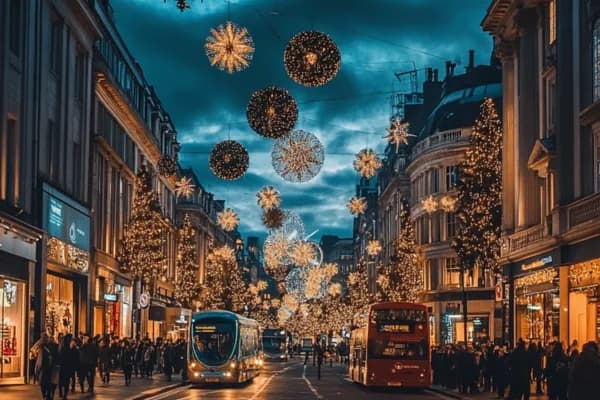
- Christmas (25 December) is one of the most significant holidays, characterized by family gatherings, the exchange of gifts, festive meals, and church services. Many British Christmas traditions, such as decorating a Christmas tree, singing carols, and sending cards, have become popular worldwide. The day after Christmas, Boxing Day (26 December), is also a public holiday, traditionally associated with giving gifts to service workers.
- New Year’s Eve (31 December) and New Year’s Day (1 January) are celebrated with parties, fireworks, and public events. In Scotland, New Year’s Eve is known as Hogmanay, and it is marked by unique customs, such as “first footing,” where people visit friends and neighbors after midnight, bringing gifts for good luck.
- Easter is a Christian holiday commemorating the resurrection of Jesus Christ. It is celebrated with church services, Easter egg hunts, and the exchange of chocolate eggs. In the UK, both Good Friday and Easter Monday are public holidays, creating a long weekend for family gatherings and leisure activities.
- May Day (the first Monday in May) is celebrated with various events, such as Maypole dancing, crowning the May Queen, and other traditional festivities that mark the arrival of spring.
These seasonal festivals, steeped in history and cultural significance, remain central to British life and are celebrated widely.
4. Local Traditions and Festivals
Throughout the UK, numerous local traditions and festivals are celebrated, reflecting the unique cultural heritage of different regions:
- In England, events such as the Cheese Rolling Festival in Gloucestershire and the Cooper’s Hill Cheese Rolling attract participants and spectators from around the world. Morris Dancing, a traditional English folk dance involving rhythmic stepping and the use of sticks, swords, or handkerchiefs, remains popular in some rural areas.
- In Scotland, the Highland Games are held in many towns and villages, featuring traditional Scottish sports like caber tossing, tug-of-war, and hammer throw, along with bagpipe music and Highland dancing.
- In Northern Ireland, The Twelfth is a significant Protestant celebration held on 12 July, commemorating the Battle of the Boyne in 1690. The event includes parades, bonfires, and marches, particularly by the Orange Order.
- In Wales, Eisteddfodau are traditional Welsh festivals of literature, music, and performance, celebrating the country’s Celtic heritage. The National Eisteddfod of Wales is the largest festival of its kind, held annually and attracting visitors from all over the country.
These local customs and festivals help preserve regional identities and cultural practices, fostering a sense of pride and community among residents.
5. Modern Customs and Social Etiquette
Modern British customs and social etiquette are characterized by politeness, punctuality, and a respect for personal space. For example, it is customary to say "please," "thank you," and "sorry" in daily interactions, reflecting the British emphasis on good manners. Queueing (standing in line) is another well-established social norm, and it is considered impolite to push ahead.
The tradition of afternoon tea, involving tea, sandwiches, scones, and pastries, remains a popular social activity, especially in hotels and tea rooms. Pubs are also central to British social life, serving as community gathering places where people can relax, socialize, and enjoy traditional food and drink.
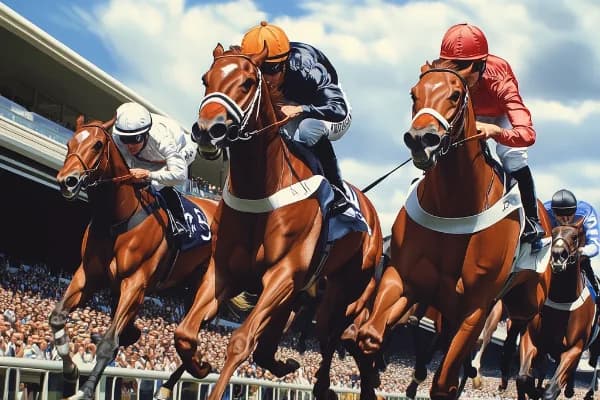
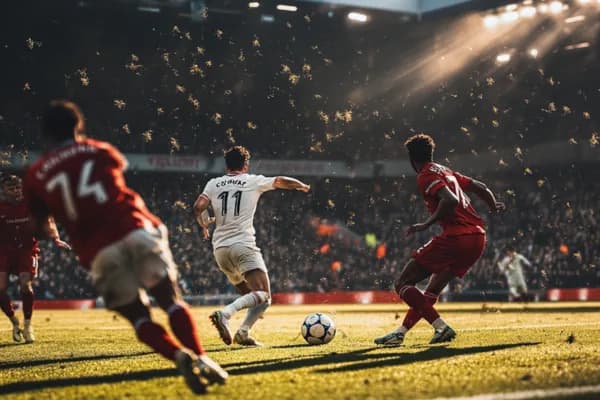
The UK is also known for its sporting traditions, such as football (soccer), rugby, cricket, and tennis, which have long been an essential part of the nation’s culture and identity. Events like the FA Cup Final, the Wimbledon Championships, and the Grand National are major fixtures in the UK’s sporting calendar, attracting widespread public interest.