Life in the UK Test
Government & Law of the UK
73 questions9 topics
73 free Life in the UK Test practice questions across 9 topics. Pick a topic to work through the questions with answers, or take a full-length practice test once you have covered the ground.
Topics in Government & Law of the UK
 Fundamental Principles5 questionsFundamental Principles The "Fundamental Principles" section of the book outlines the core principles that underpin the UK’s system of government, its co…
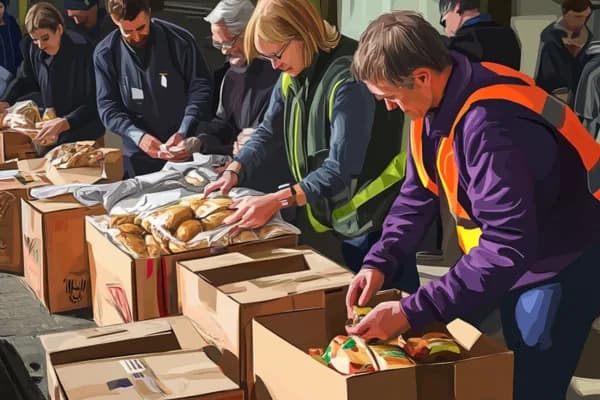 How you can support your community5 questionsHow You Can Support Your Community Supporting your community is a fundamental aspect of life in the UK.
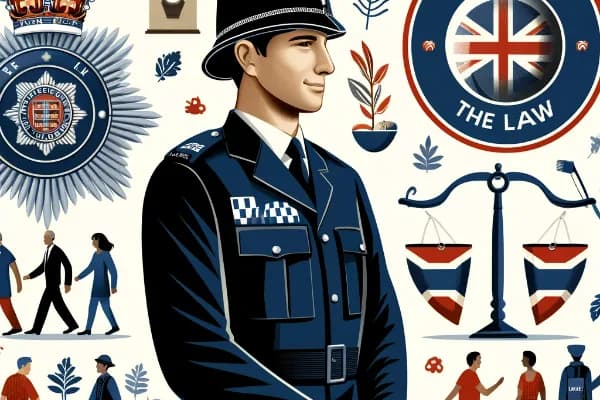 Respecting the law9 questionsRespecting the Law "Respecting the Law" is a fundamental aspect of living in the United Kingdom.
 The British constitution13 questionsThe British Constitution The British Constitution is unique because, unlike many countries, the United Kingdom does not have a single written document t…
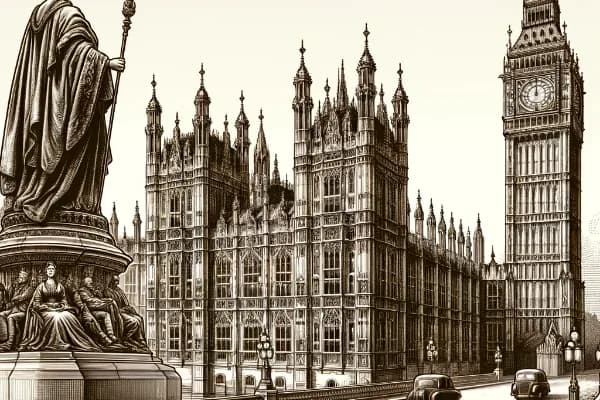 The development of British democracy3 questionsThe Development of British Democracy The "Development of British Democracy" section outlines the gradual transformation of the United Kingdom from a mon…
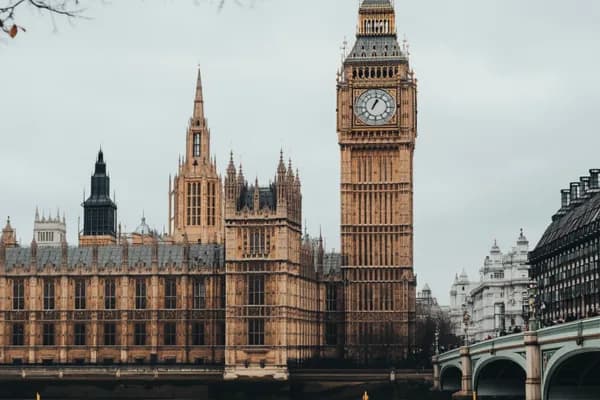 The Government19 questionsThe Government The UK government is the central authority responsible for making and implementing national policies, passing legislation, and managing p…
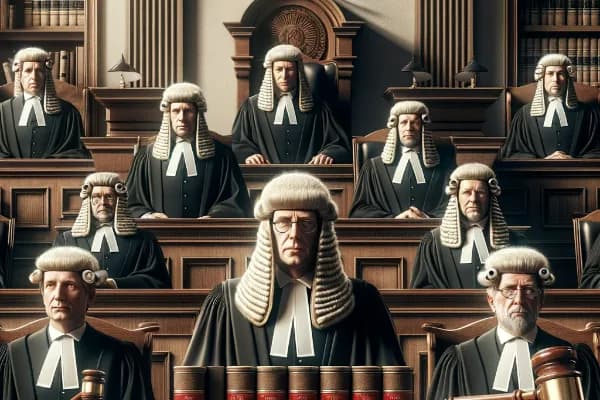 The role of the courts11 questionsThe Role of Courts The courts play a crucial role in the UK’s legal system and constitution, ensuring that laws are applied correctly and that justice i…
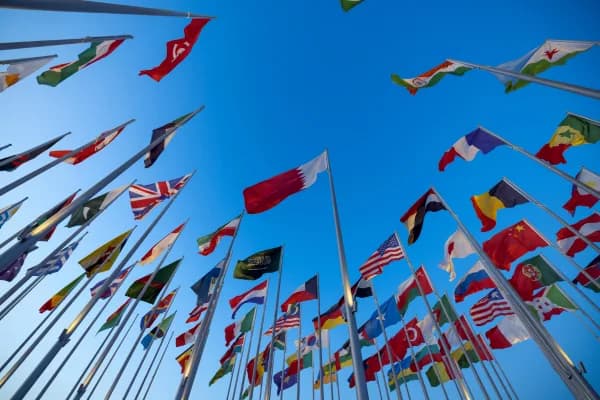 The UK and International Institutions5 questionsThe UK and International Institutions The United Kingdom plays an important role on the global stage through its active participation in several interna…
 Your Role in the Community3 questionsYour Role in the Community Living in the UK comes with the responsibility of contributing positively to the community.
Fundamental Principles 5 questions
This topic covers the rights and freedoms that underpin life in the UK, and the responsibilities that sit alongside them. Questions are principle-based rather than factual recall.
- Is the statement below TRUE or FALSE? All young people are sent a National Insurance Number before their 16th birthday.
- If a husband forces his wife to have sex he can be charged with rape.
- What do you need to do to apply for a National Insurance Number?
- Which of the following is a document that sets out fundamental rights or freedoms?
- Is the statement below TRUE or FALSE? A husband who forces his wife to have sex can be charged with rape.
How you can support your community 5 questions
Questions in this area deal with the practical ways residents take part in life where they live — volunteering, helping in schools, joining local organisations and supporting people around them. Expect straightforward questions about what is possible rather than about dates or names.
- Can young people in every part of the UK volunteer with the National Citizen Service?
- Is the statement below TRUE or FALSE? The National Citizen Service provides military training to young people.
- Is it possible for parents or other community groups to open a free school?
- Is the statement below TRUE or FALSE? Military training for young people is provided by National Citizen Service.
- What is the minimum age for jury service?
Respecting the law 9 questions
Questions cover the laws residents are expected to know and keep — criminal and civil law, the police, and the duties that apply to everyone regardless of background.
- Anyone can make a complaint about the police by writing to the Chief Constable of the police force involved.
- Is the statement below TRUE or FALSE?The police do not need to protect and help people who are not UK citizens.
- Are police obliged to obey the law?
- If you think someone is trying to persuade you to join an extremist or terrorist activity, who should you contact?
- Is the statement below TRUE or FALSE? An example of a civil law case is when you have purchased a faulty item and made a legal complaint.
- Which of the following is an example of civil law?
- Complaints against the police can only be made by writing to the Police Complaints Commissioner.
- Which of the following is an example of criminal offence?
The British constitution 13 questions
The UK has no single written constitution, and this topic covers what stands in its place — the monarchy, Parliament, conventions and the separation of powers. Precise wording in the options matters more than usual.
- How often are general elections held in the UK?
- Is the statement below TRUE or FALSE? Members of the House of Lords are elected by a constituency.
- Is the statement below TRUE or FALSE? All MPs represent one of the main political parties.
- What is the title of the Queen's eldest son, Prince Charles?
- When is a by-election for a parliamentary seat held?
- Is the statement below TRUE or FALSE? A mayor is always elected.
- In 1999, what happened to hereditary peers in the House of Lords?
- The National Anthem "God save the queen" can only be played in the presence of the Queen.
The development of British democracy 3 questions
This covers the long road from limited franchise to universal suffrage — the reforms, the campaigns and the milestones along the way. Dates and the order of events are the usual focus.
The Government 19 questions
Questions here concern how the UK is actually run day to day — Parliament, the devolved administrations, ministers, the civil service and local government. This is one of the most heavily tested areas, so it repays careful revision.
- Where is the official home of the Prime Minister?
- How often are 'Prime Minister's Questions' held in the parliament?
- What are members of the Northern Ireland Parliament known as?
- In which city is the Scottish Parliament based?
- What is the Home Secretary responsible for?
- Is the statement below TRUE or FALSE? It is possible to find information about visiting Parliament on the UK Parliament website.
- What will you be given to vote before a general election takes place?
- Is the statement below TRUE or FALSE? Members of the armed forces cannot stand for public office.
The role of the courts 11 questions
Questions deal with how justice works in practice — the different courts, who hears which kind of case, juries, magistrates and legal advice. Note that the arrangements are not identical across all four nations.
- How is a jury selected?
- Which court deals with minor criminal offences in Scotland?
- What is the role of a jury at a court trial?
- Which court would you use to get money back that was owed to you?
- Which court deals with minor criminal cases in England, Wales and Northern Ireland?
- Is the statement below TRUE or FALSE?If a person is aged under 21, this case will be heard in a Youth Court.
- Is the statement below TRUE or FALSE? The small claims procedure is an informal way for people to settle minor disputes.
- Is the statement below TRUE or FALSE? There are no differences between the court systems of England, Northern Ireland, Scotland and Wales.
The UK and International Institutions 5 questions
Questions about the bodies the UK belongs to and works through, and what membership of each one means. Keep the different organisations and their purposes clearly separated.
- West Germany, France, Luxembourg, the Netherlands and Italy formed the European Economic Community (EEC) in 1957 along with which other country?
- Is the statement below TRUE or FALSE? The Council of Europe has the power to make laws, which are binding in member states.
- Which of the following is not an aim of the United Nations?
- Which is an aim of the United Nations?
- How many countries belong to the Commonwealth?
Your Role in the Community 3 questions
This topic is about being a resident rather than about history: neighbours, the environment, taking part in local decisions and the everyday responsibilities that come with living in the UK.