The 20th Century
The 20th century was a period of profound change and development for the United Kingdom, marked by significant political, social, economic, and cultural transformations. This summary covers key events and trends that shaped the UK throughout this dynamic century.
1. Political and Social Change
- World Wars: The 20th century was dominated by two World Wars that had a profound impact on the UK.
- World War I (1914-1918): The UK, as part of the Allied Powers, was heavily involved in the First World War, which resulted in significant loss of life and economic strain. The war's aftermath led to political and social changes, including the establishment of the League of Nations and a shift in public attitudes towards war and peace.
- World War II (1939-1945): The UK played a central role in the Second World War against the Axis Powers. The Blitz, a series of bombings by Germany, caused extensive damage to British cities. The war effort led to significant social changes, including greater involvement of women in the workforce and the development of the Welfare State.
- Post-War Reconstruction: After World War II, the UK faced the challenge of rebuilding a war-torn economy and society. The Labour government, elected in 1945 under Clement Attlee, introduced major reforms, including the creation of the National Health Service (NHS) and the nationalization of key industries such as coal, steel, and railways.
- Decolonization: The post-war period saw the decline of the British Empire and the process of decolonization. Many former colonies gained independence, leading to the establishment of the Commonwealth of Nations. Key events include the independence of India and Pakistan in 1947, and subsequent independence movements across Africa and the Caribbean.
- Social Reforms: The 1960s and 1970s were marked by significant social reforms, including the introduction of the Abortion Act (1967) and the Sex Discrimination Act (1975). These reforms aimed to address social inequalities and improve rights for women and minority groups.
2. Economic Changes
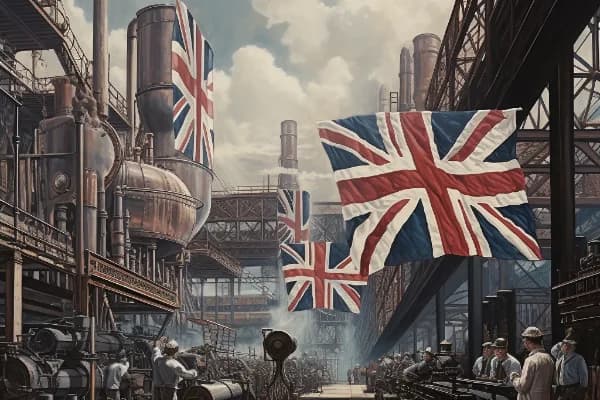
- Economic Challenges: The UK experienced periods of economic difficulty throughout the 20th century. The 1970s, in particular, saw high inflation, unemployment, and industrial strikes. The economic difficulties led to the implementation of austerity measures and economic reforms.
- Thatcher Era: In 1979, Margaret Thatcher became Prime Minister, marking the beginning of a period of significant economic and political change. Her government implemented a series of market-oriented reforms, including privatization of state-owned industries and deregulation of financial markets. This era is often referred to as the Thatcher Revolution, which had a lasting impact on the UK's economic policies.
- Economic Recovery: The 1990s and 2000s saw periods of economic growth and recovery, with the UK becoming a major financial center, particularly in London. The introduction of the minimum wage and increased emphasis on technology and innovation contributed to economic development.
3. Cultural and Technological Developments
- Cultural Renaissance: The 20th century witnessed a vibrant cultural scene in the UK, with significant contributions to music, literature, and the arts. The British Invasion of the 1960s brought bands like The Beatles and The Rolling Stones to international fame. British literature saw influential works from authors like George Orwell and J.K. Rowling.
- Technological Advancements: The UK made significant strides in technology and innovation. The development of television, radio, and later the internet transformed communication and entertainment. The UK's involvement in space exploration, including the launch of satellites and space missions, marked its contributions to global scientific advancements.
- Social Changes: The latter half of the 20th century saw evolving social attitudes and greater emphasis on individual rights. Movements advocating for LGBTQ+ rights, racial equality, and gender equality gained prominence, leading to changes in laws and social norms.
4. Political Developments
- European Integration: The UK's relationship with Europe evolved throughout the 20th century, culminating in its membership in the European Economic Community (EEC) in 1973, which later became the European Union (EU). The debate over European integration and sovereignty was a major political issue.
- Devolution: The late 20th century saw the introduction of devolution, granting greater autonomy to Scotland, Wales, and Northern Ireland. The Scotland Act (1998), the Government of Wales Act (1998), and the Northern Ireland Act (1998) established devolved parliaments and assemblies, allowing these regions to have their own legislative powers.